Home/Blog
Guides for people
who buy machines
Plain-language buying guides and production economics for plastic packaging manufacturers — no fluff, no jargon.
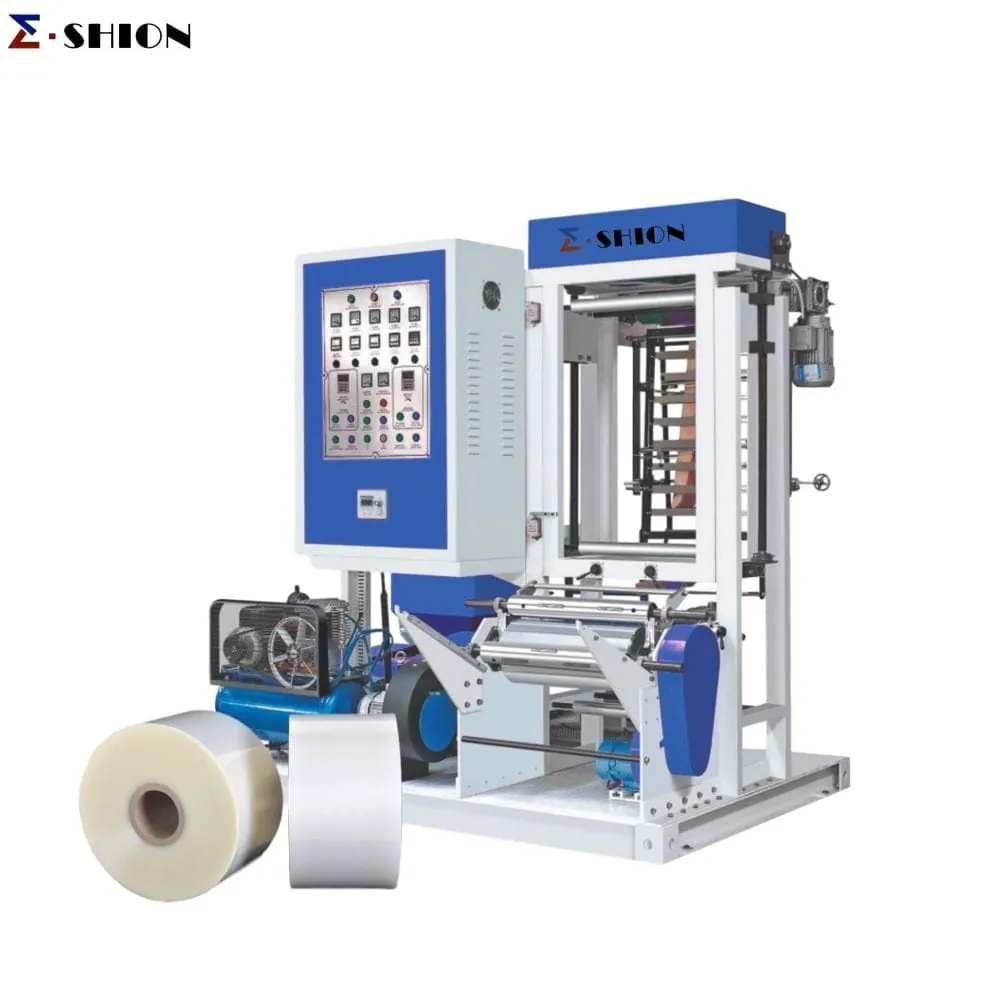
How to Choose a Blown Film Machine: Width, Layers and Output Explained - E-SHION Machinery
Film width, layer count, output rate — the three numbers that decide which blown film line fits your business. A plain-language buying guide for factory owners.ry owners.ry owners.
Read article →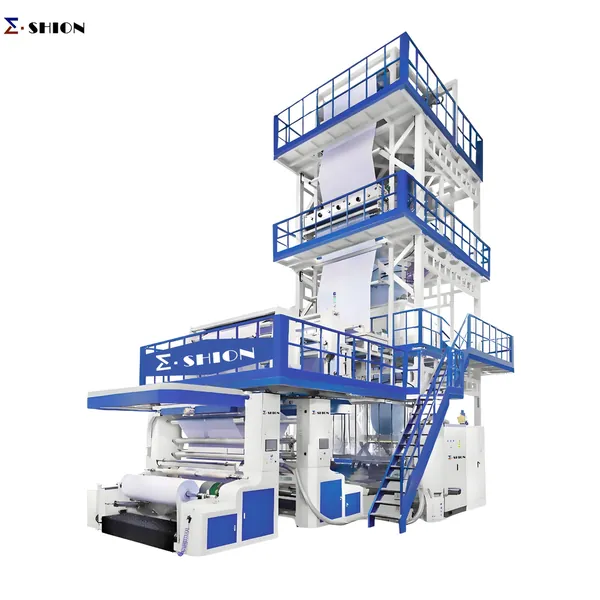
Blown Film Machine Price Guide 2026
From mini starter lines to 3-layer IBC co-extrusion: indicative price ranges and the width, layer and cooling choices that move the number.
Read article →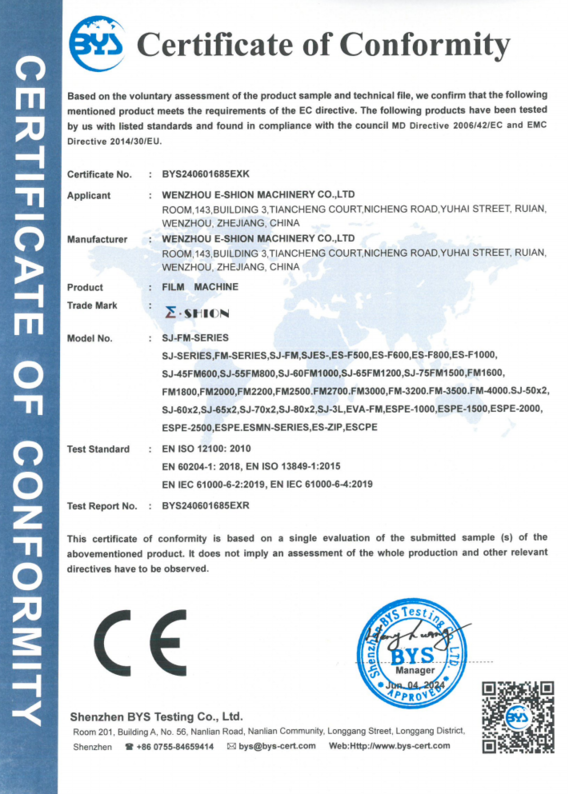
CE Certification for Plastic Machinery
Which directives apply, what a real certificate contains, and how to spot fake or incomplete CE documents before ordering.
Read article →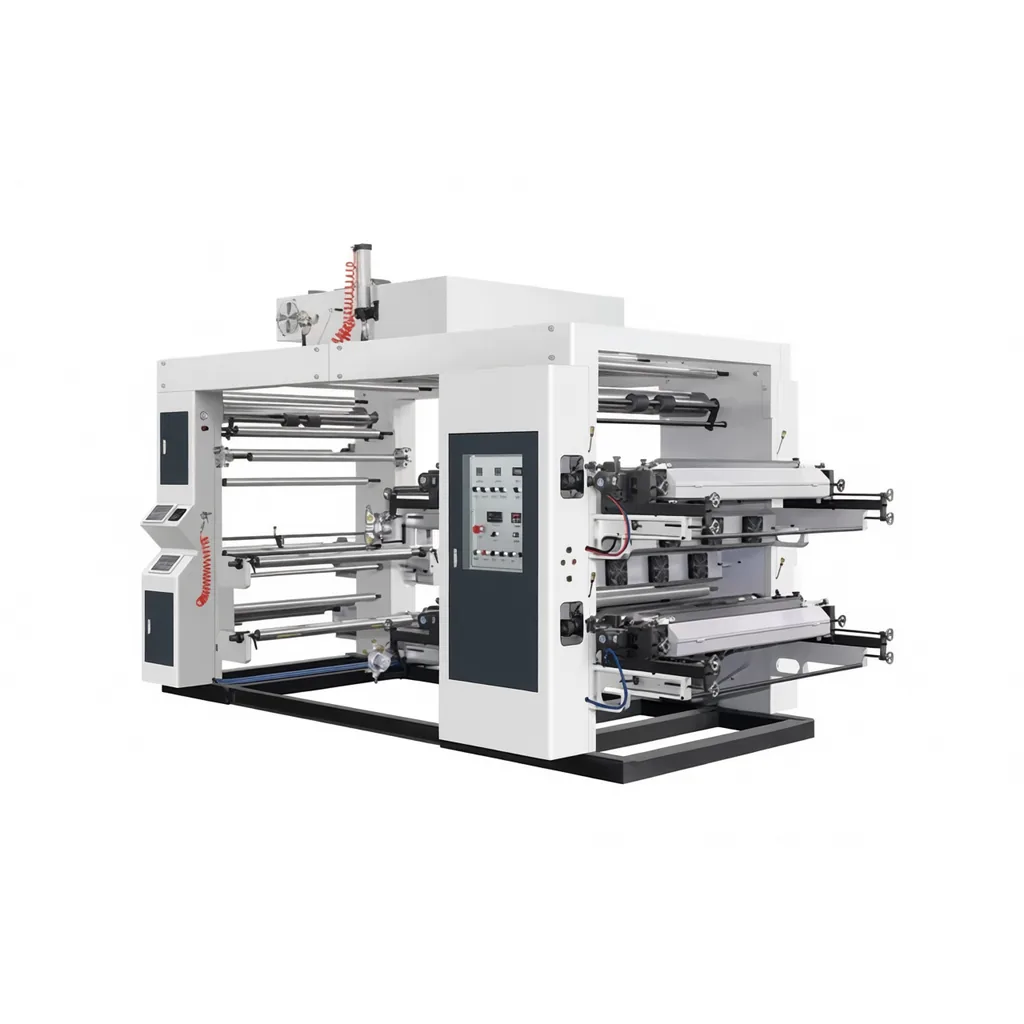
Flexo and Gravure Printing Machine Price Guide 2026
4-color flexo to 8-color gravure: indicative price ranges and what color count, width and drying technology add to a printing press.
Read article →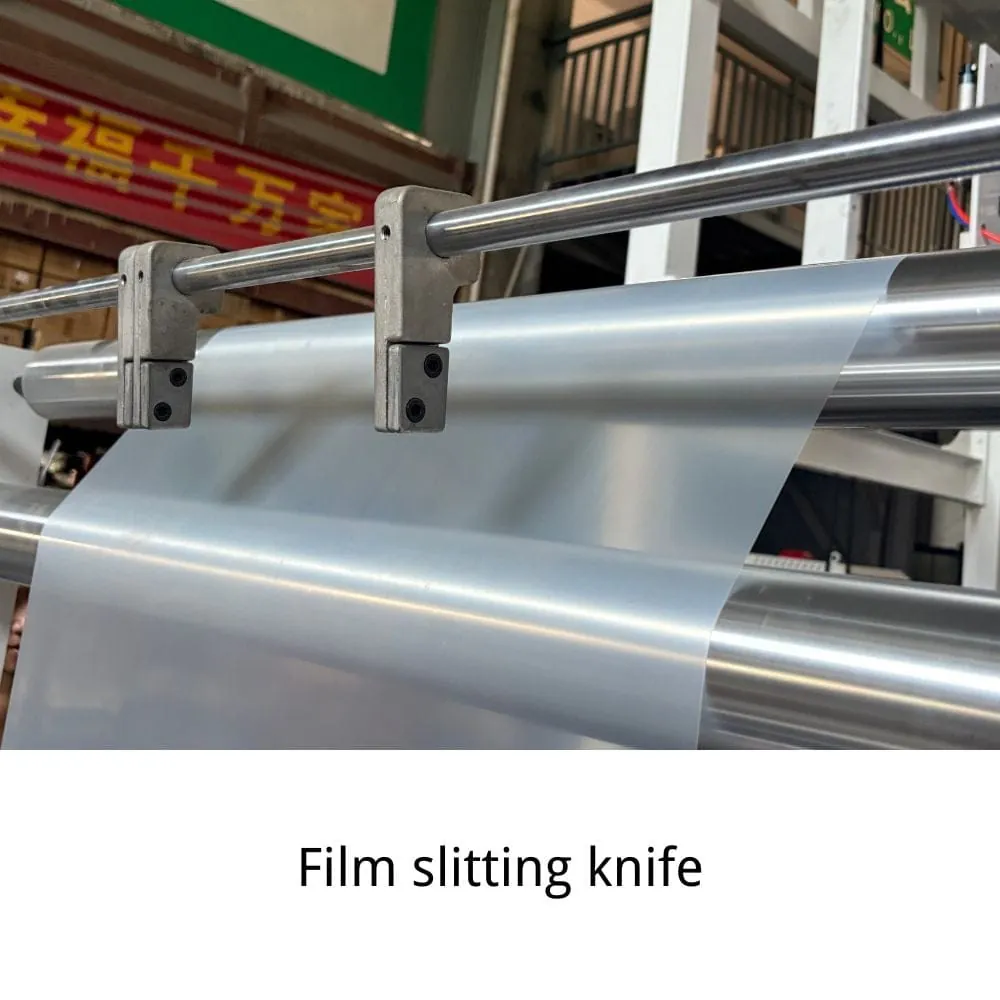
How a Blown Film Machine Works
From pellet to roll: how a blown film extruder melts, inflates and cools the film bubble, explained step by step.
Read article →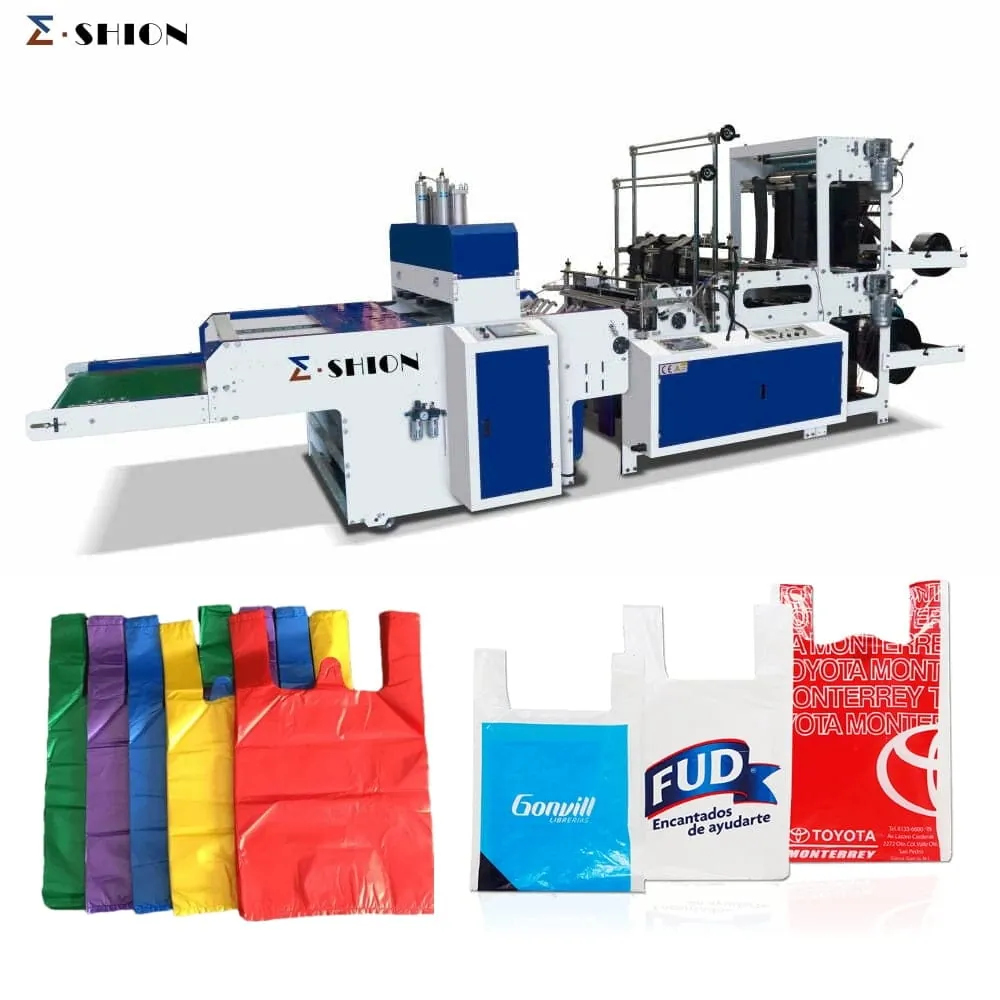
How to Choose a Bag Making Machine
Bag type, speed, size range, sealing and printing options: what actually decides the right bag making machine and your cost per bag.
Read article →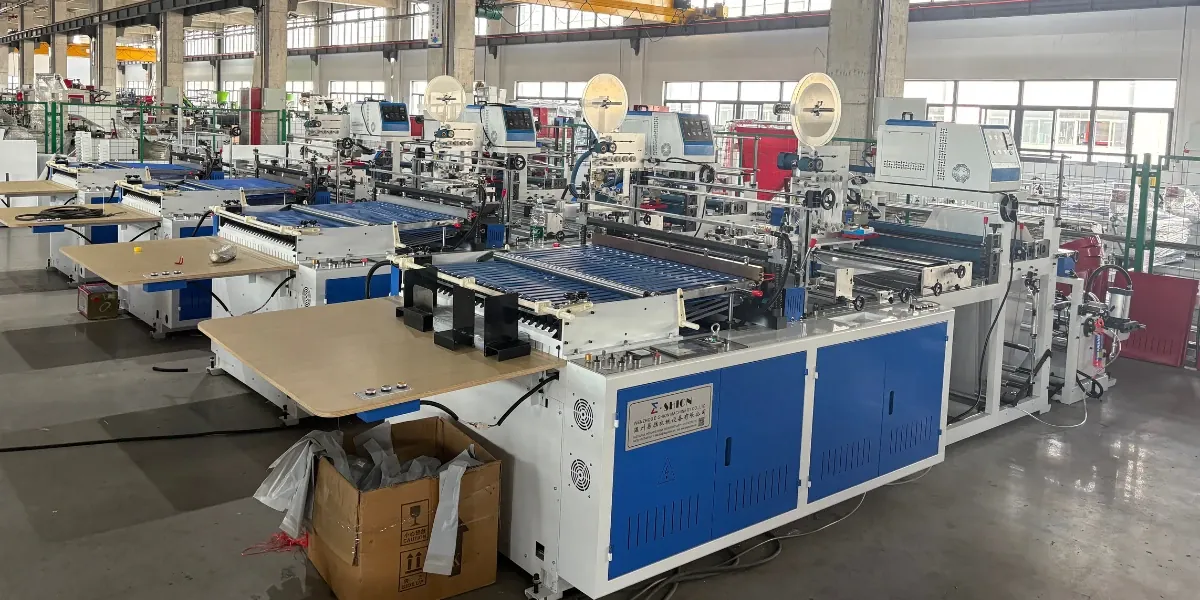
How to Evaluate a Plastic Machinery Supplier
Deposit, factory visit, live tests, CE documents, payment terms and after-sales: a practical checklist before you buy from China.
Read article →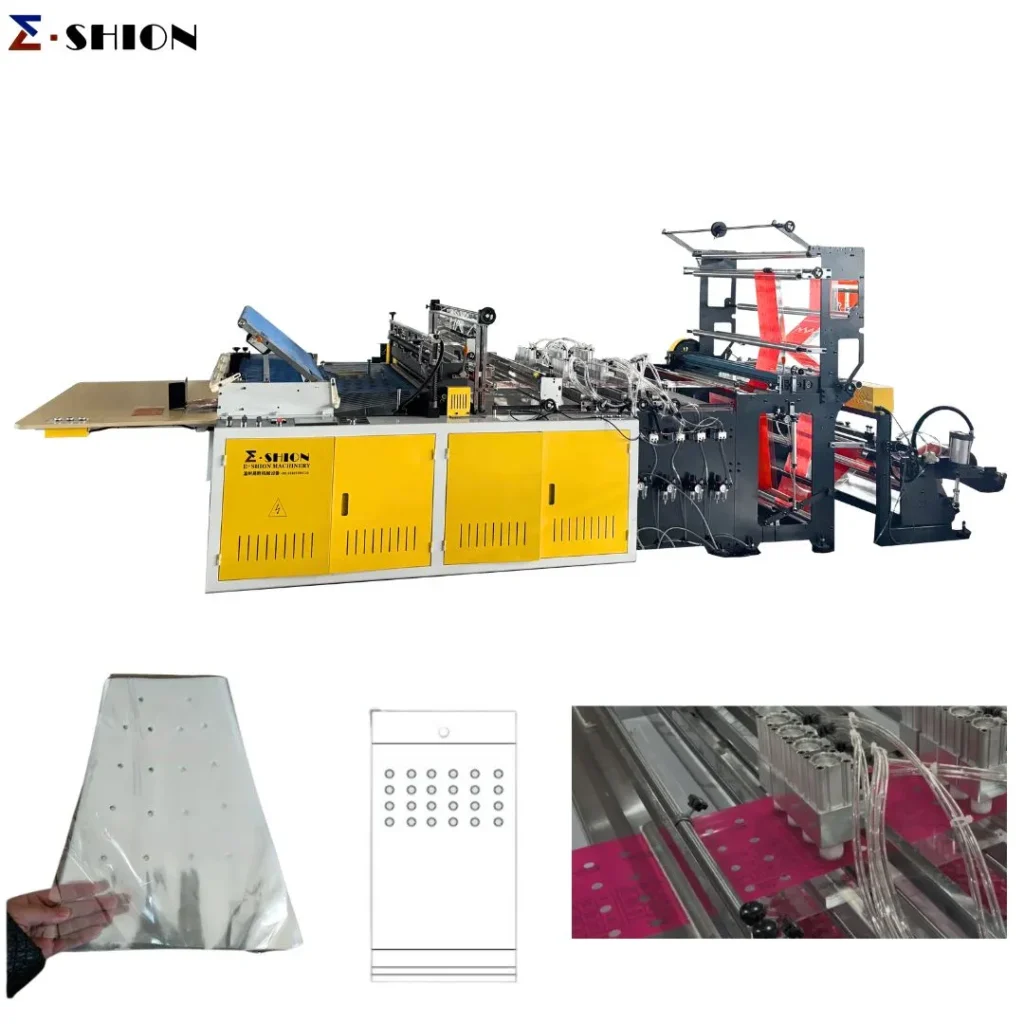
Plastic Bag Making Machine Price Guide 2026
Indicative factory-direct price ranges for t-shirt, zipper, garbage and side-seal bag machines, plus the five factors that decide your exact quotation
Read article →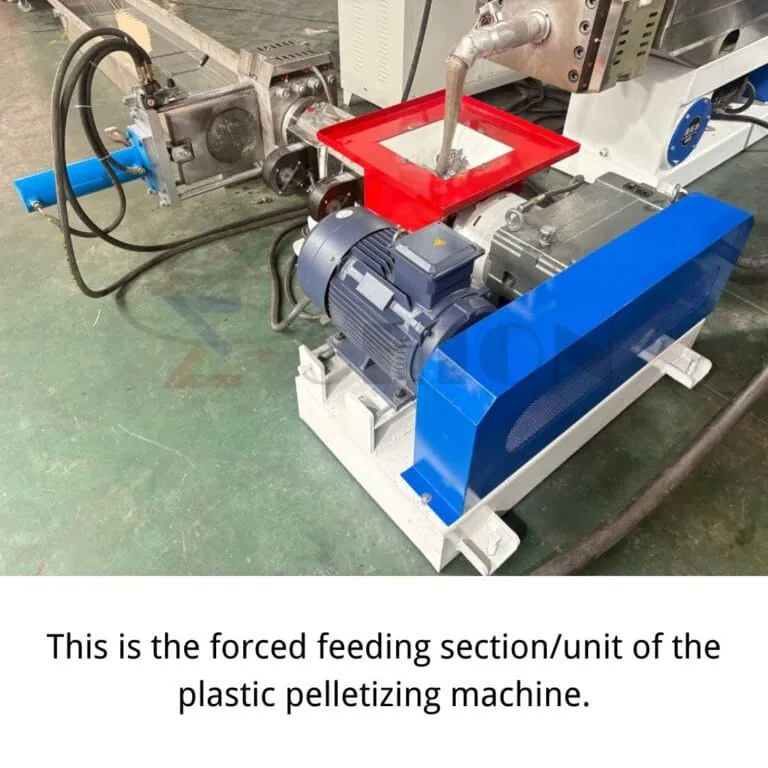
Does a Plastic Recycling Granulator Pay for Itself? The Numbers, Simplified - E-SHION Machinery
Every tonne of scrap you sell is a price someone else sets; every tonne you reprocess is priced by your own line. A simple framework for the ROI decis
Read article →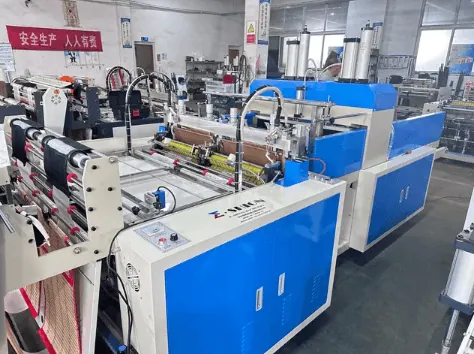
T-Shirt Bag Making Machine Guide: Speeds, Sizes and What Drives Bag Cost - E-SHION Machinery
Cycle speed is only half the story. What actually decides your cost per bag — and how to pick between single-line and multi-line bag makers.
Read article →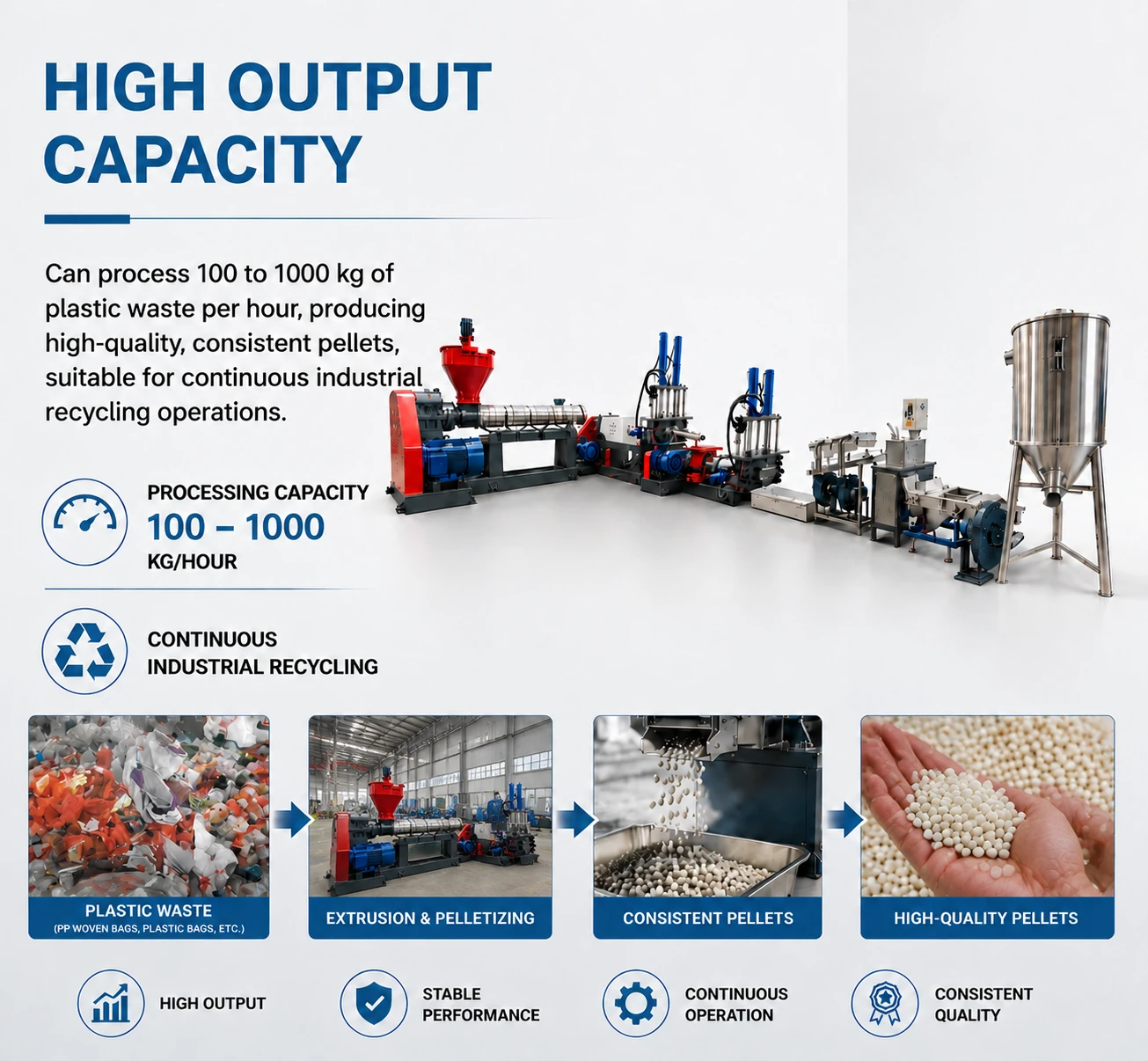
Total Cost of Ownership of a Plastic Machine Line
Price is not cost: output, energy, downtime, spares, installation and lead time decide what a line really costs over five years.
Read article →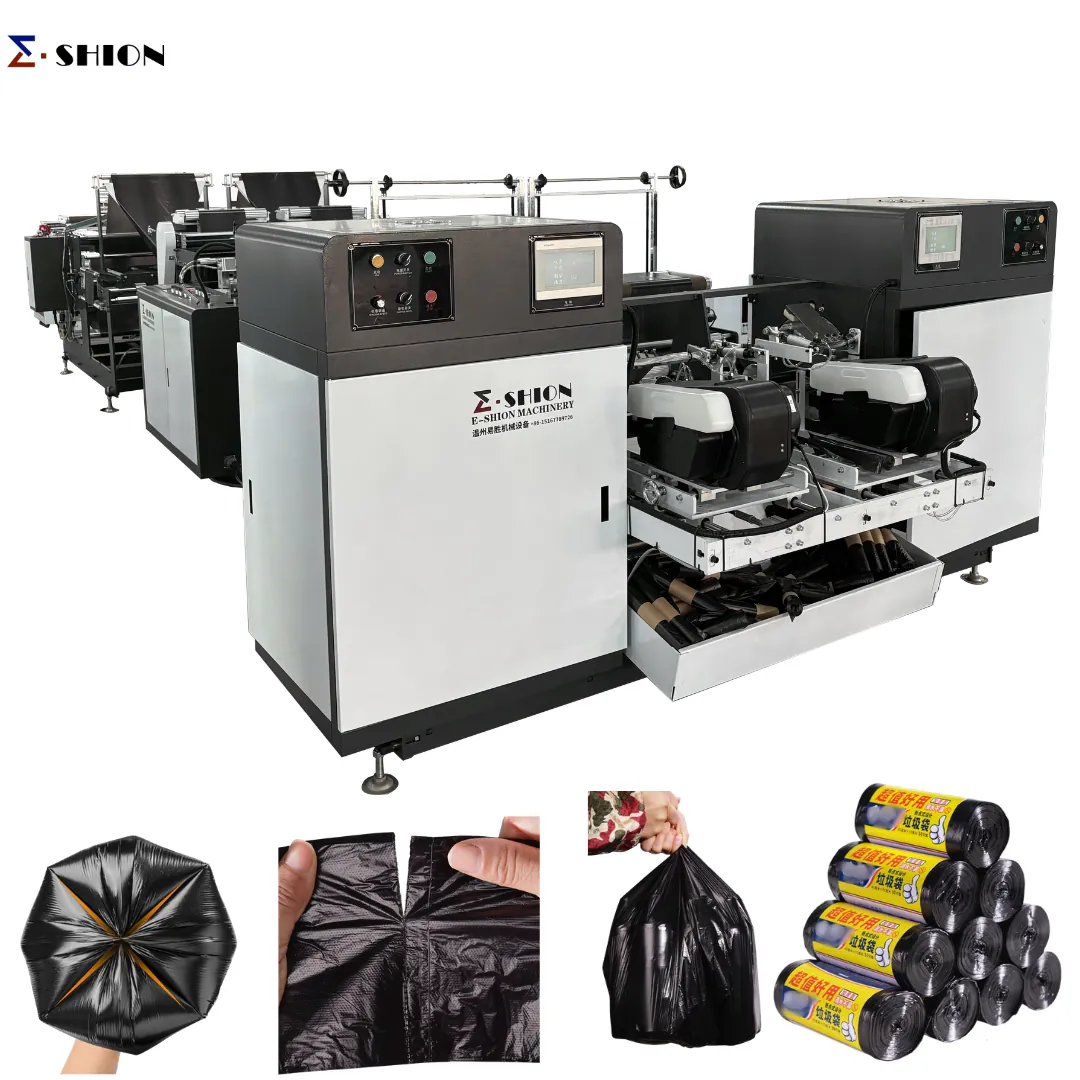
T-Shirt Bag Machine vs Flat Bag Machine: Which Line Do You Need?
T-shirt and flat bags use different machines: handles, sealing style and volume decide which line fits.
Read article →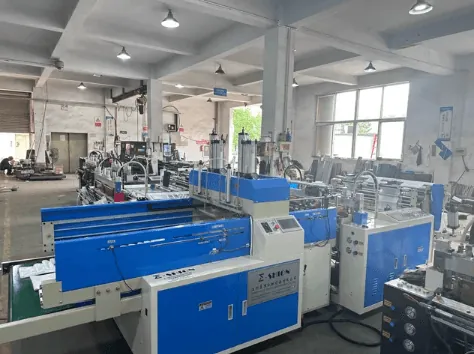
How Fast Can a Bag Making Machine Run?
Quoted speed and real output are different numbers — here is what to compare.
Read article →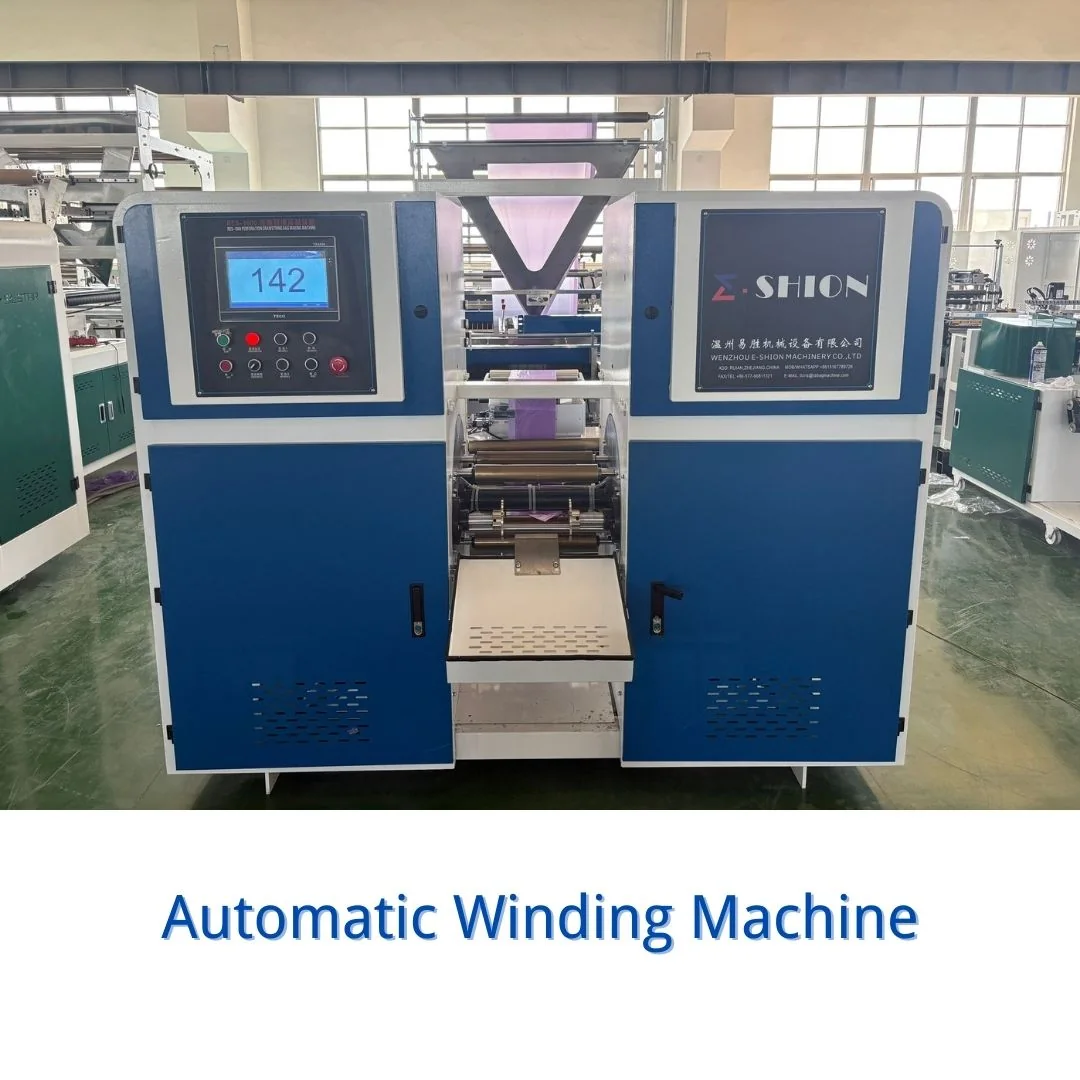
Drawstring Garbage Bags: Machine Requirements & Materials
On-roll drawstring bags need a machine built for core winding, drawstring feed and HDPE/LDPE film.
Read article →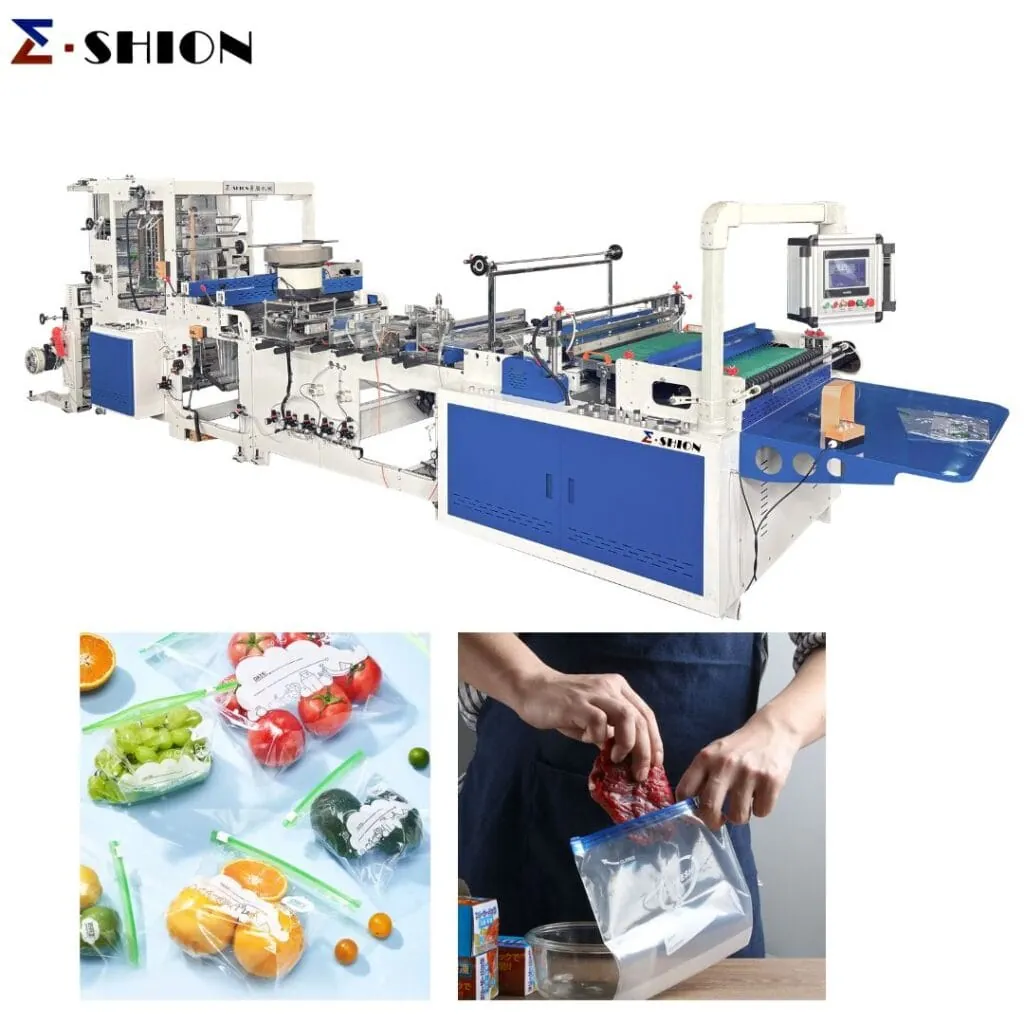
Zipper Pouch Production: From Film to Reclosable Bag
Zipper pouches are made in one pass: profile feed, sealing and cutting on the ESBC series.
Read article →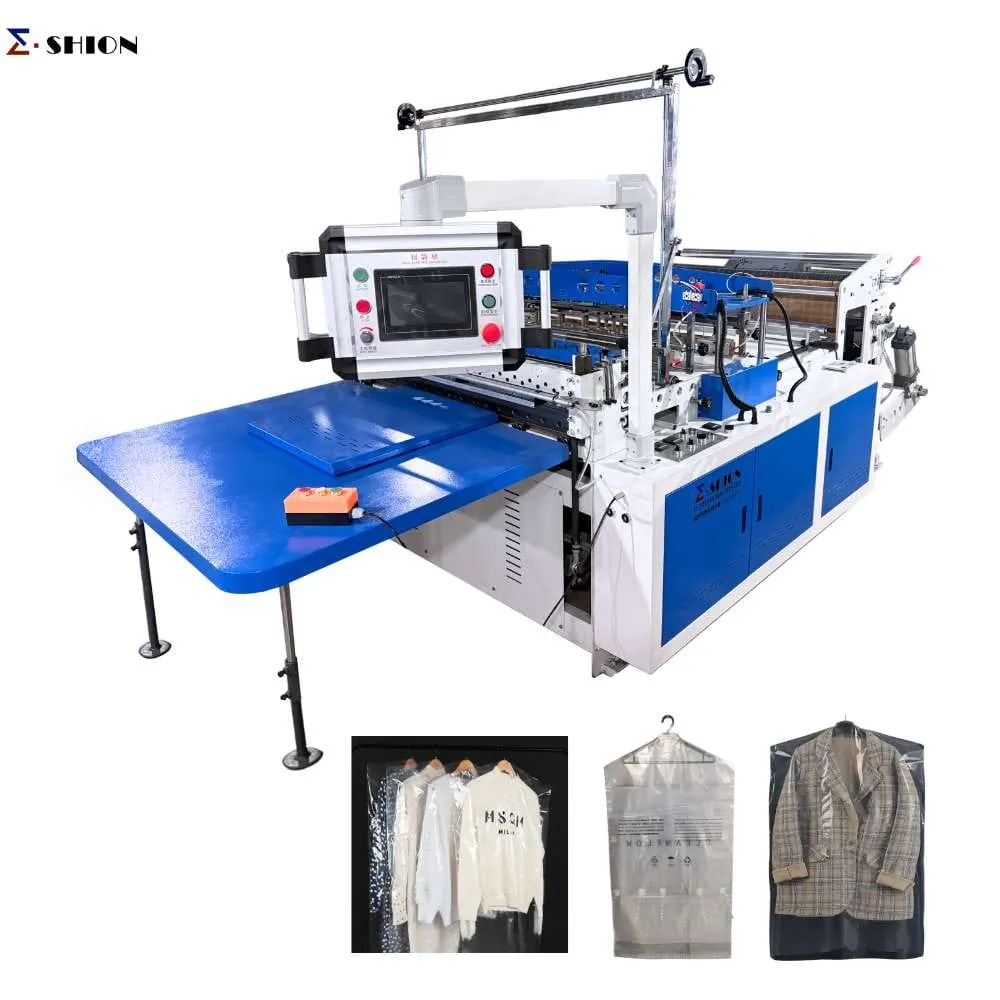
Garment Bag Machines: Thin Film Handling Without Wrinkles
Long, thin film wrinkles easily — tension control is what makes a garment bag machine reliable.
Read article →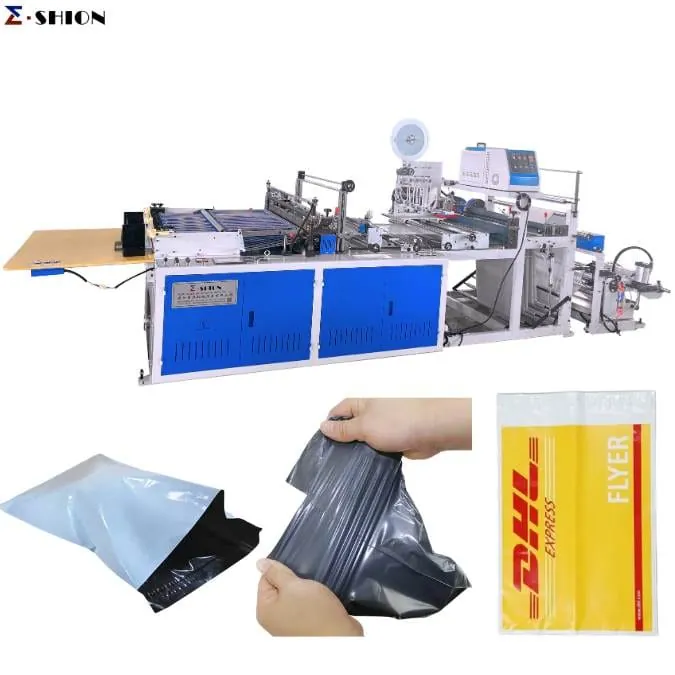
Courier Bag Production Line: What Machines Are Needed?
A courier bag line is film line + printing + the DHL-800 — here is each step.
Read article →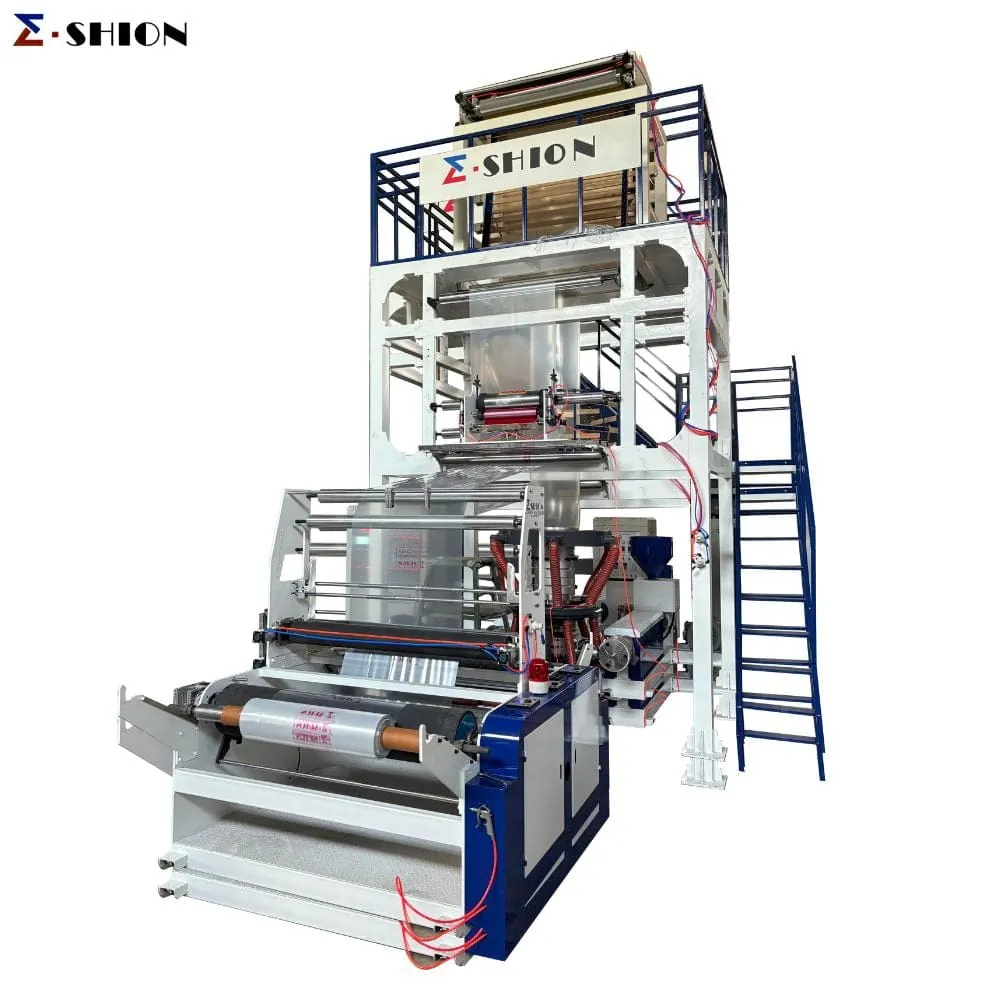
Heavy-Duty Bags: When Do You Need a 3-Layer Film?
Thick film is not the only answer — layer structure decides sack strength and consistency.
Read article →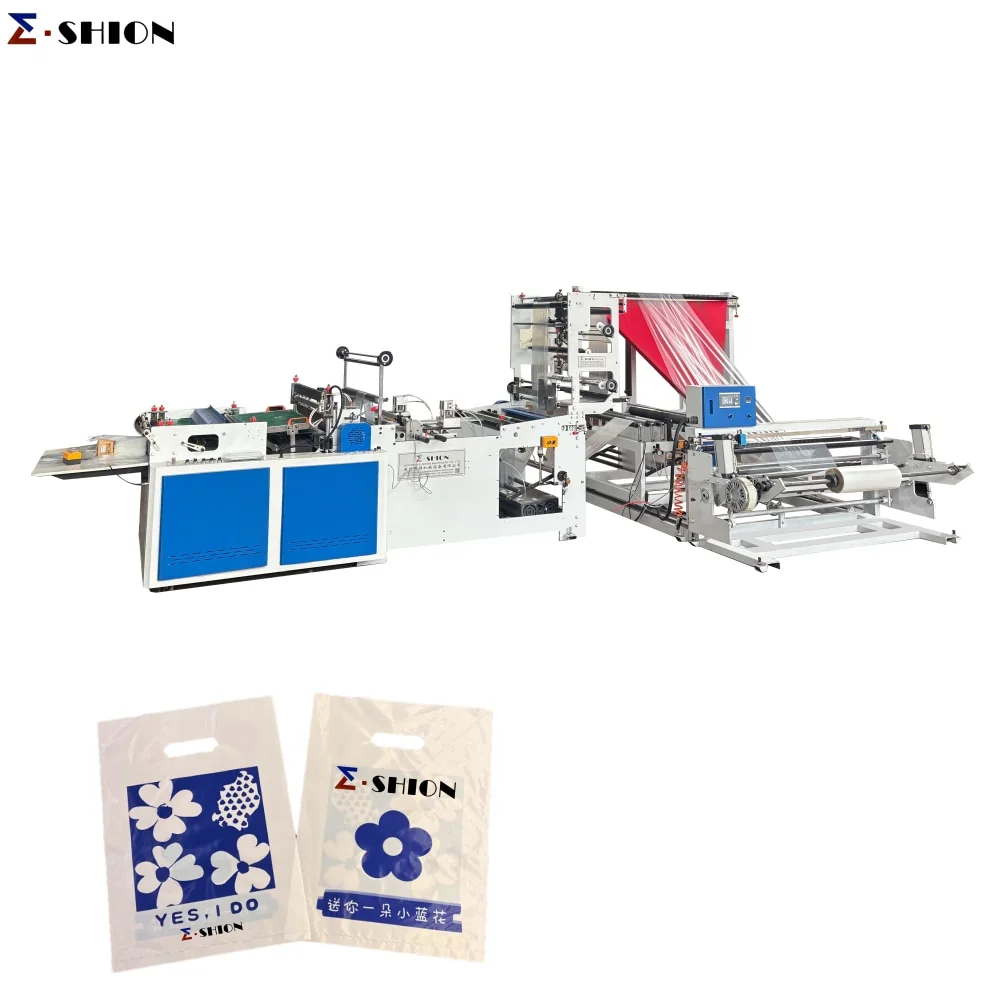
Side Seal vs Bottom Seal Bags: Machine Differences
Seal direction changes the machine — and which films you can run.
Read article →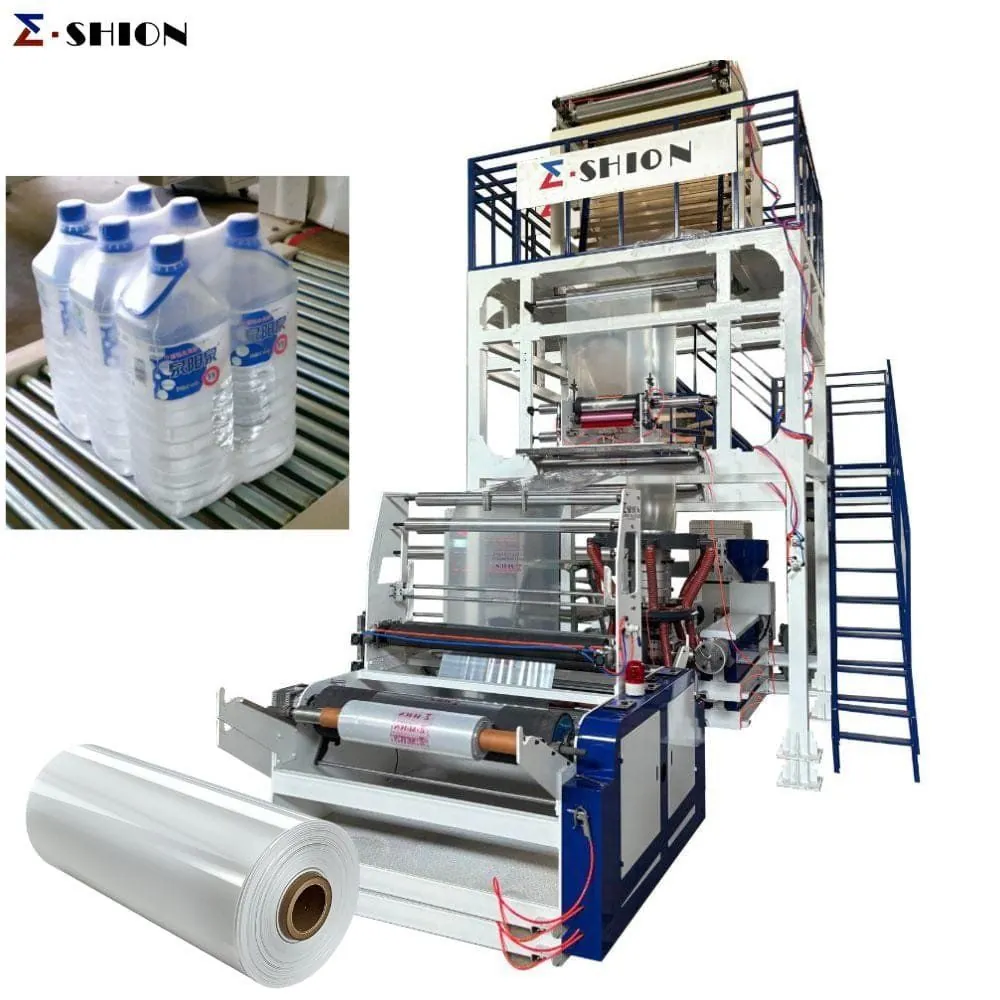
Mono Layer vs Coextrusion Blown Film: Cost & Performance
A second or third extruder costs more — here is when the structure pays for itself.
Read article →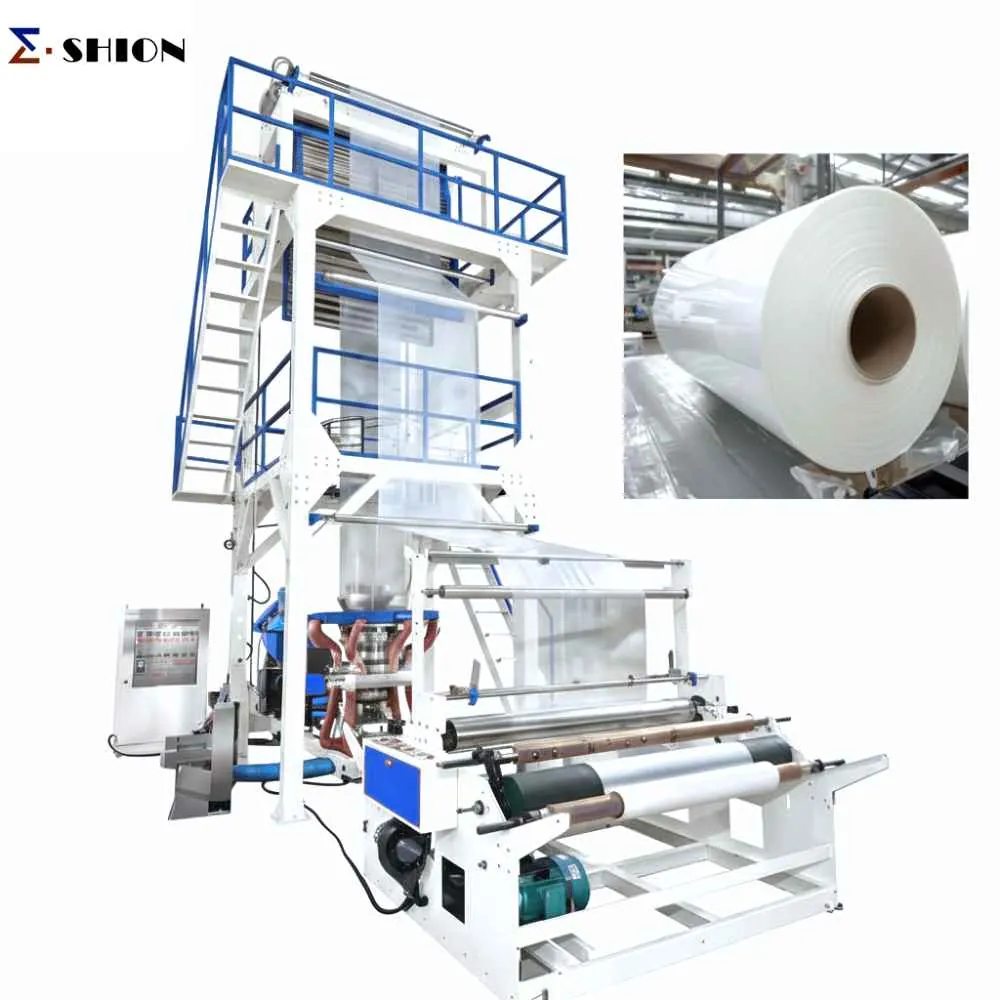
How to Calculate Blown Film Output (kg/h) for Your Bag Line
Output = film cross-section x speed x density — use the formula to size the line before you buy.
Read article →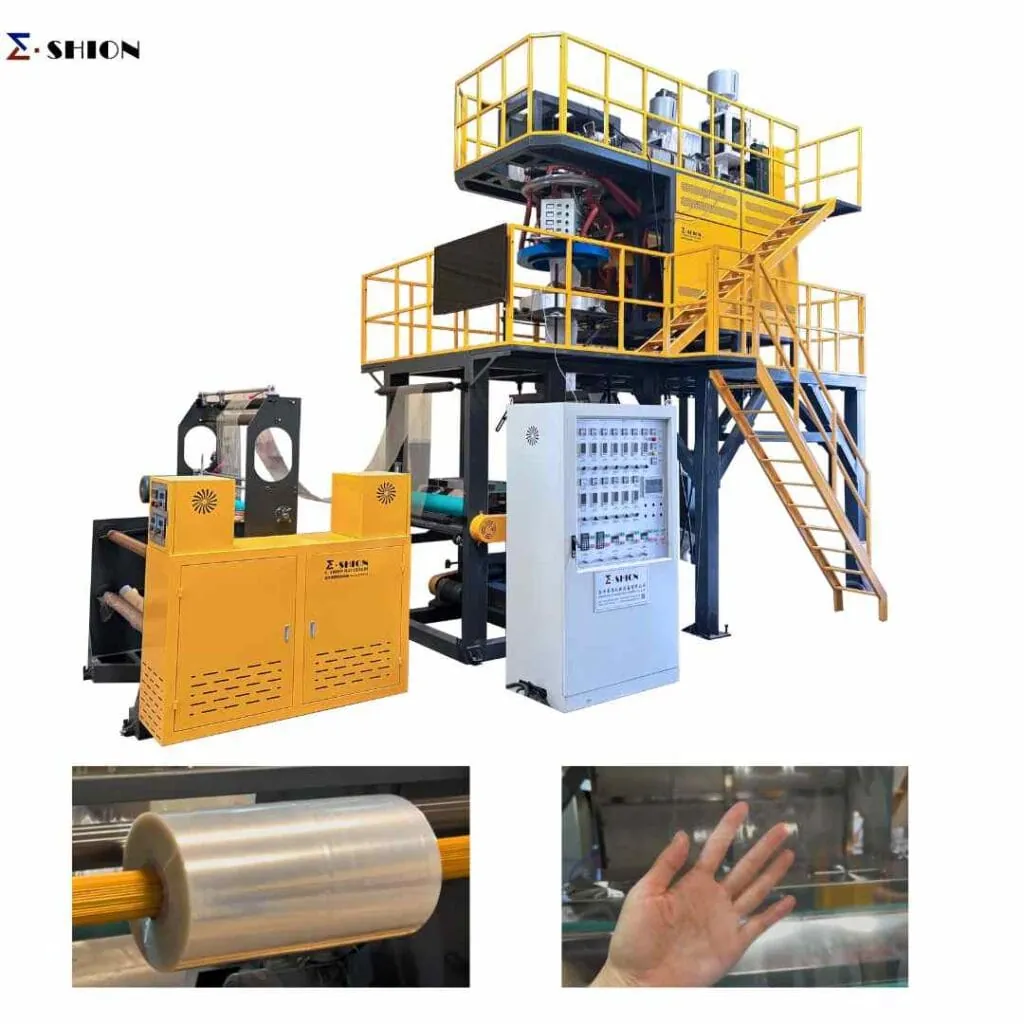
PP Blown Film: What Can You Make With It?
PP film is stiffer and glossier than PE — and needs a twin-screw line to run well.
Read article →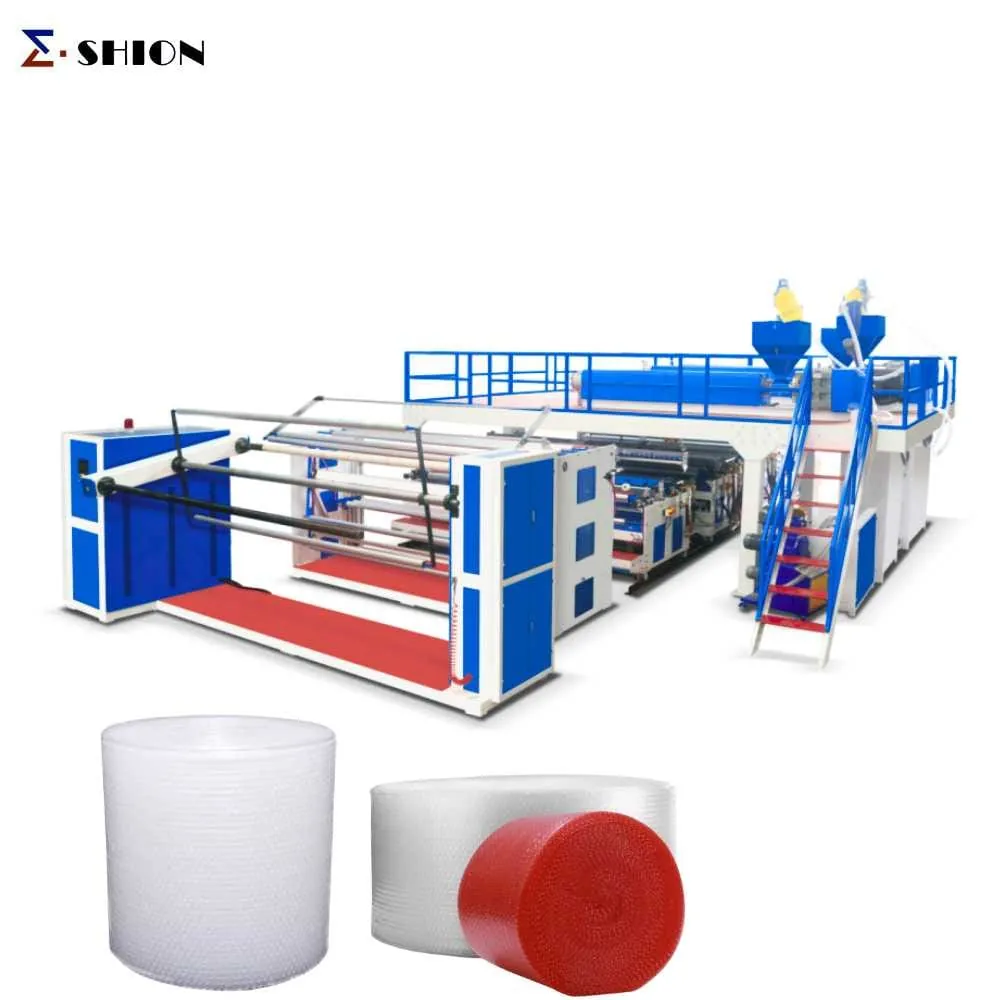
Bubble Film / Air Bubble Film Machine Guide
Bubble film needs three dedicated extrusion units — here is what the line contains.
Read article →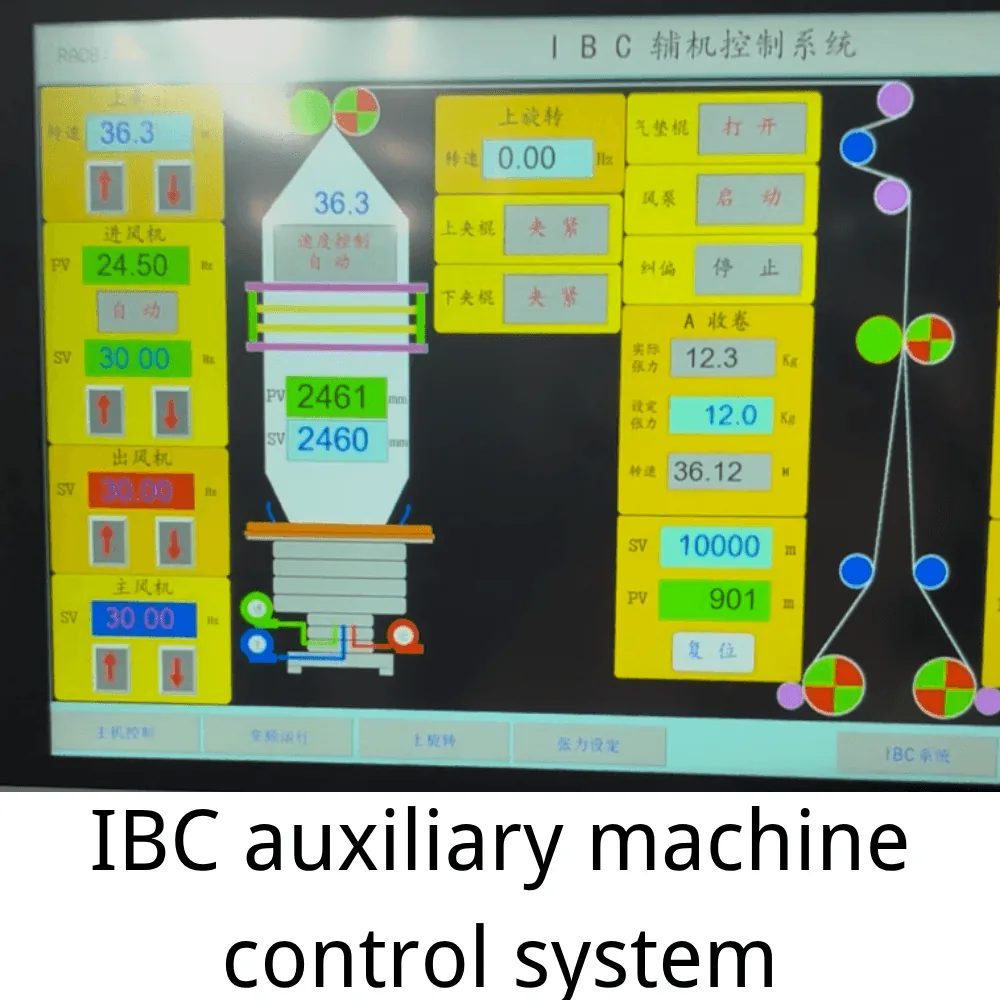
IBC Internal Bubble Cooling: What It Does
IBC injects cooled air inside the bubble — the difference is visible in gauge consistency.
Read article →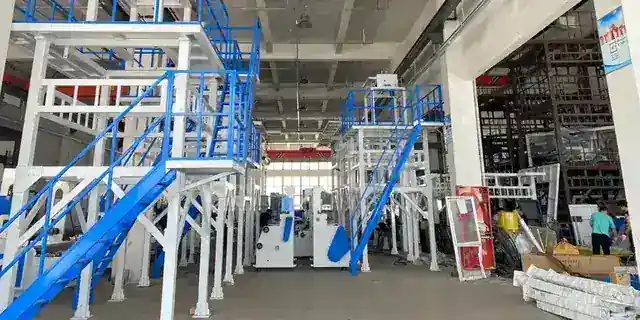
Film Wrinkles or Thickness Variation: Common Causes
Most film defects trace back to cooling, tension or gauge — here is what to check first.
Read article →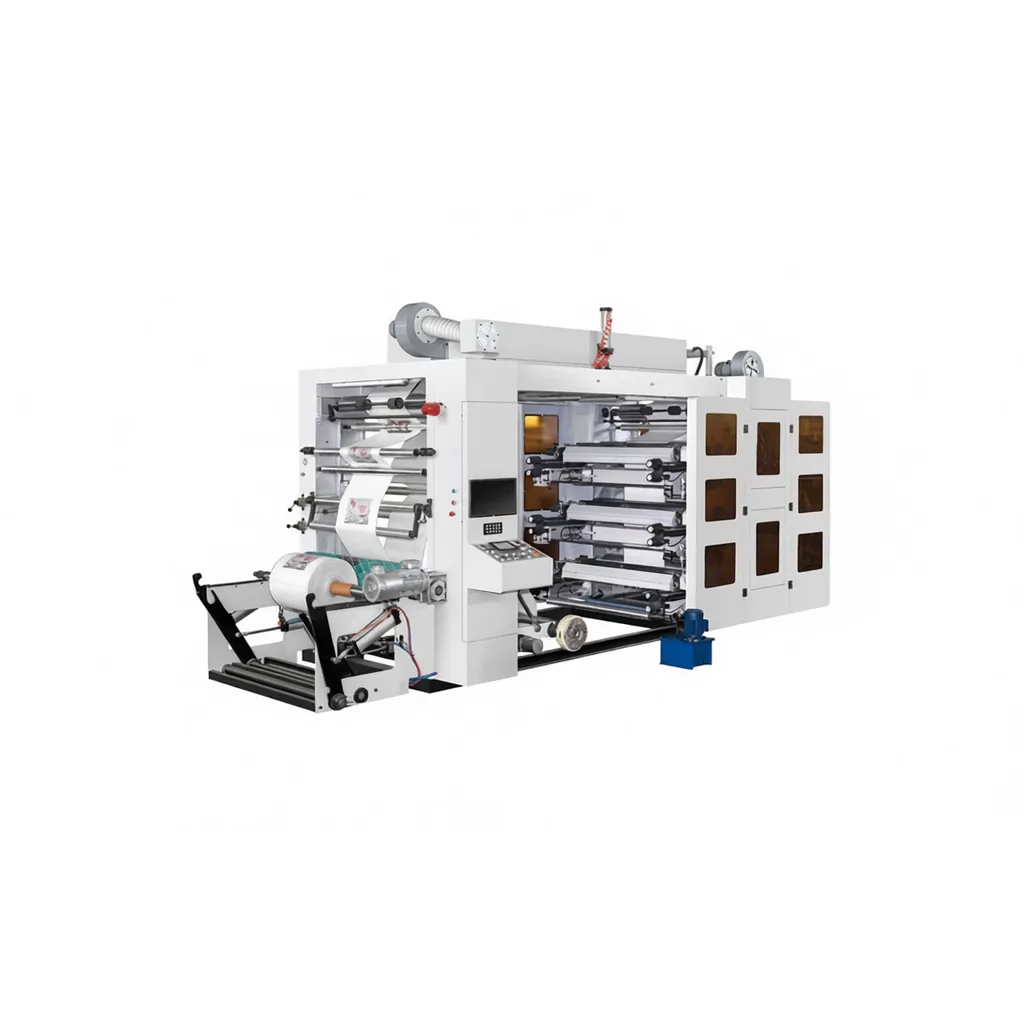
Flexo vs Gravure for Plastic Bags: Which to Choose?
Speed and registration are the headline differences — run length decides which press pays.
Read article →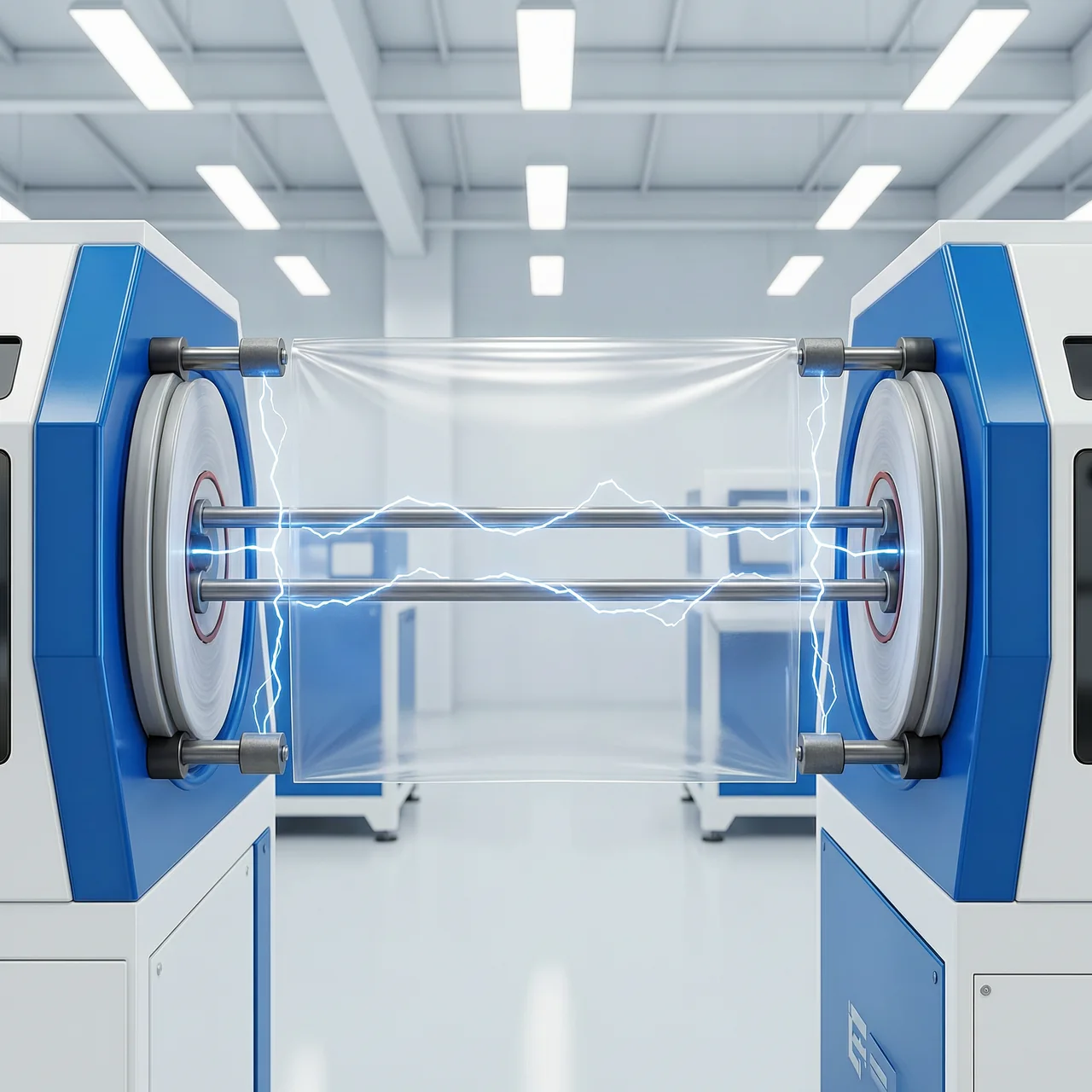
Why Corona Treatment Matters Before Printing
Ink peels off untreated film for a measurable reason — surface energy.
Read article →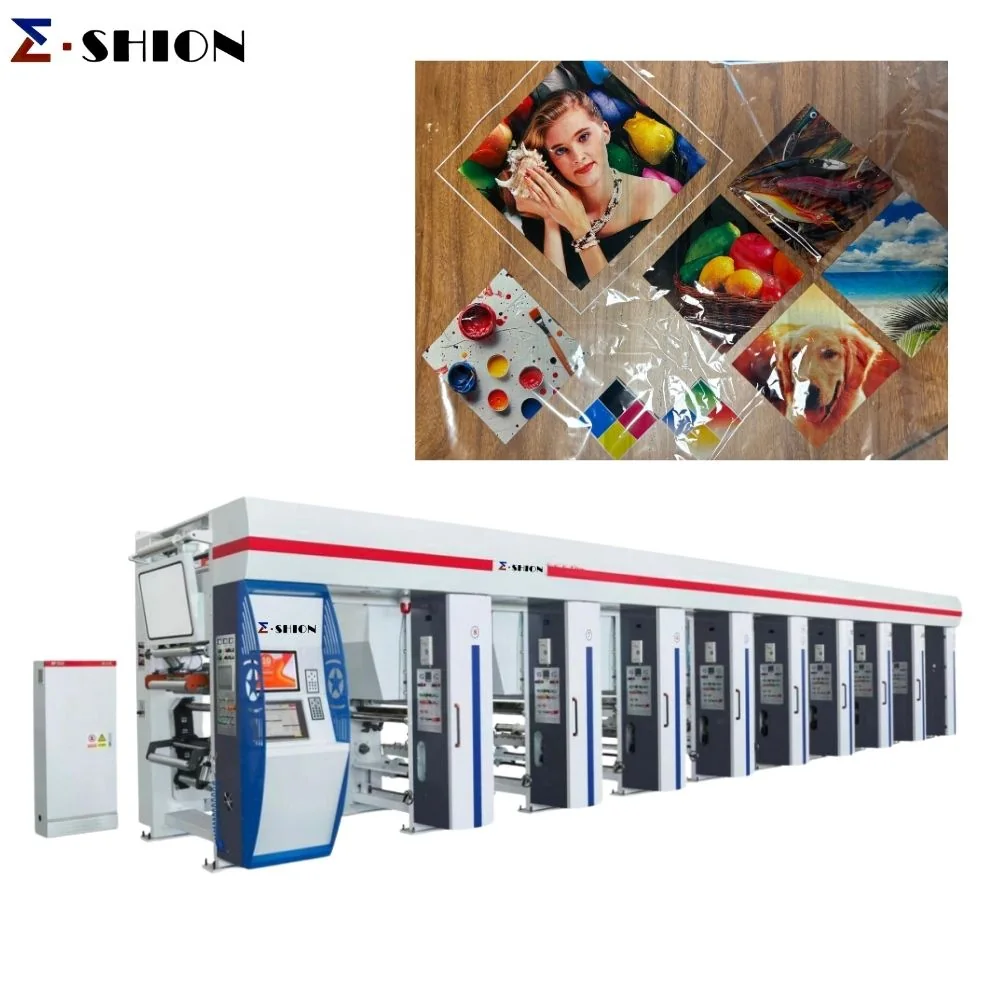
2/4/6/8 Colors: How Many Print Stations Do You Need?
Color count is a volume decision, not a quality decision.
Read article →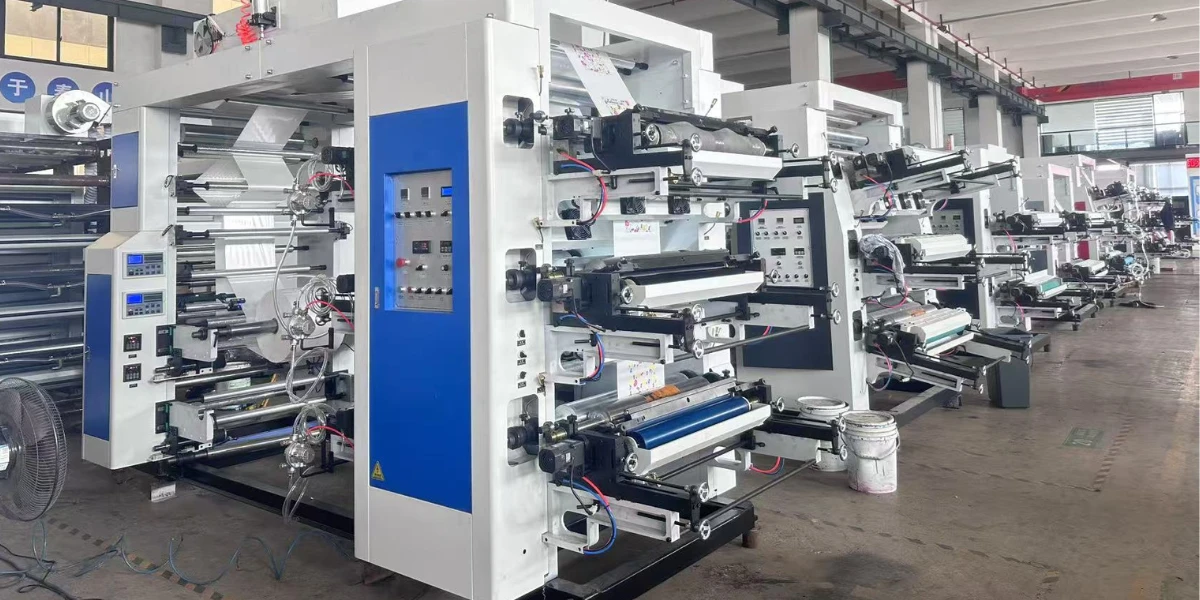
Registration Accuracy: What Affects Print-to-Cut Precision
Registration is measured in tenths of a millimeter — and film stretch is the enemy.
Read article →
Can Recycled Pellets Be Used for Blown Film?
Yes — but blend ratio and feed quality decide whether the film stays usable.
Read article →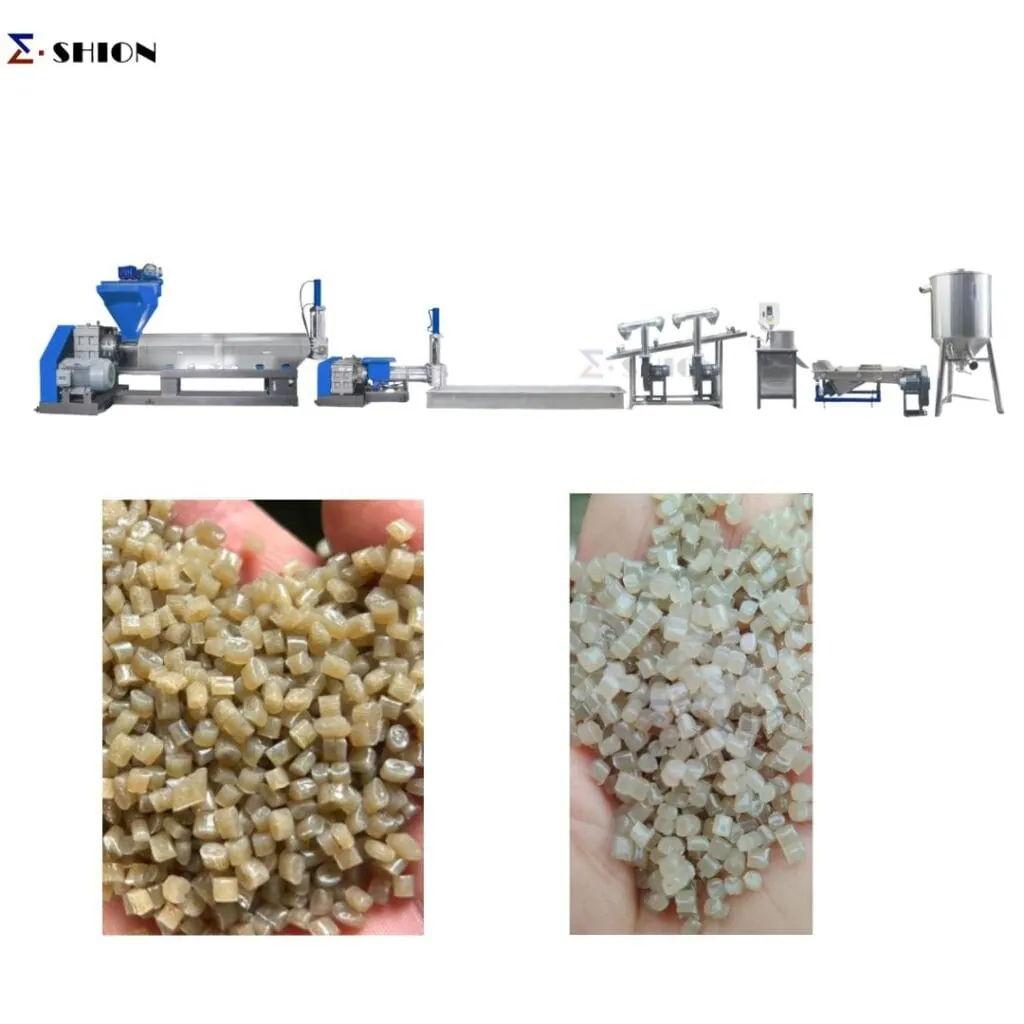
Film Scrap Recycling: How to Estimate the Payback
The payback math is simple — the variables are scrap volume, uptime and pellet value.
Read article →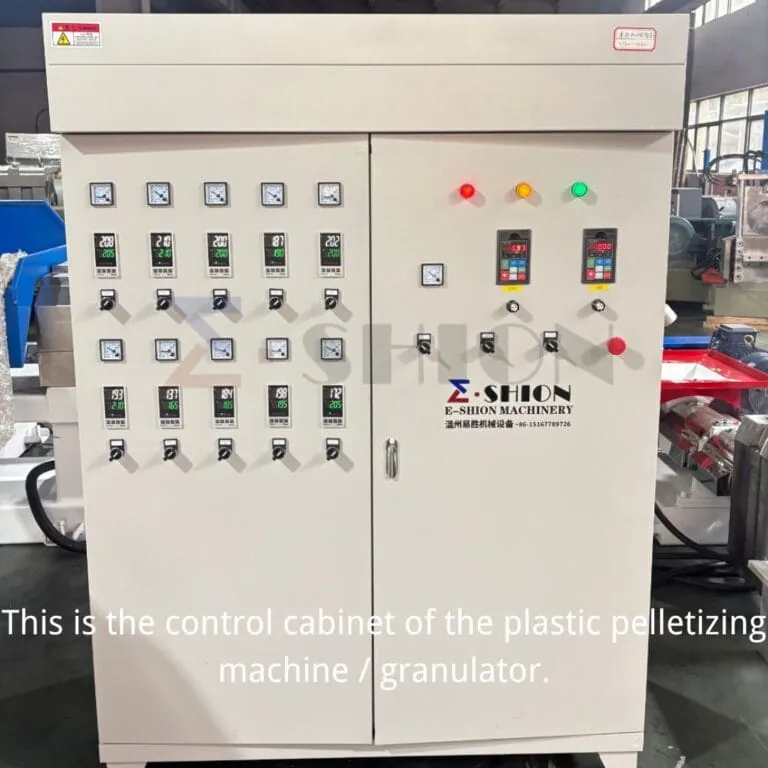
Granulator Output: Matching Machine Size to Scrap Volume
Match the granulator to your worst week of scrap, not your average.
Read article →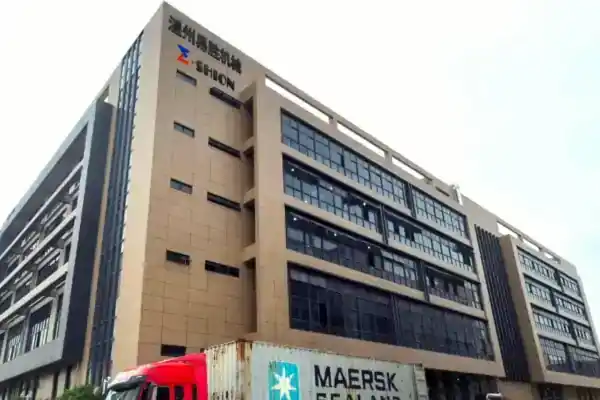
What Machines Are Needed to Start a Plastic Bag Factory?
A bag factory is four machines on day one — film, bag making, printing and recycling.
Read article →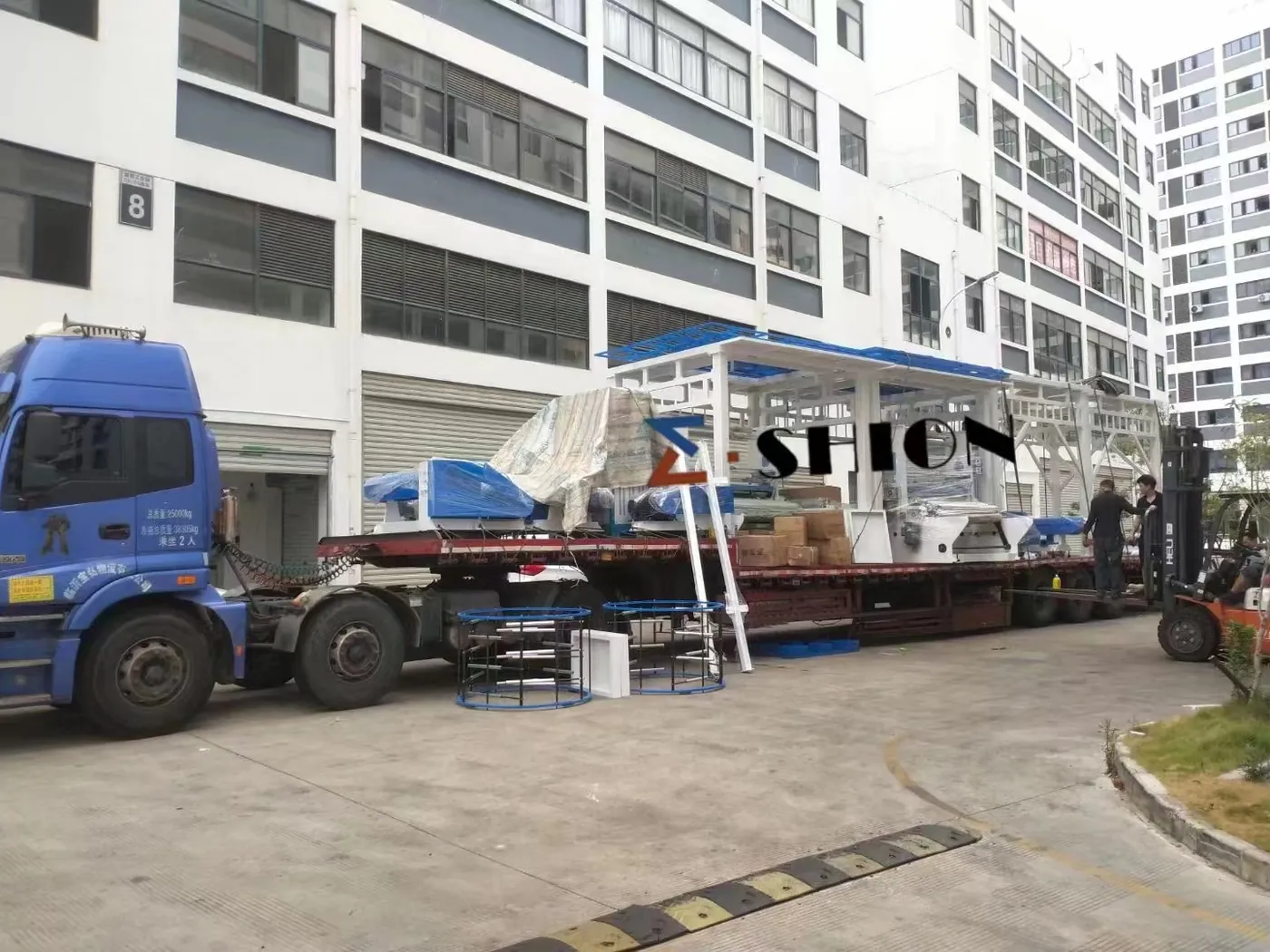
Plastic Bag Production Line Cost: What Really Drives Price
Price follows configuration — here are the five drivers that change a quote.
Read article →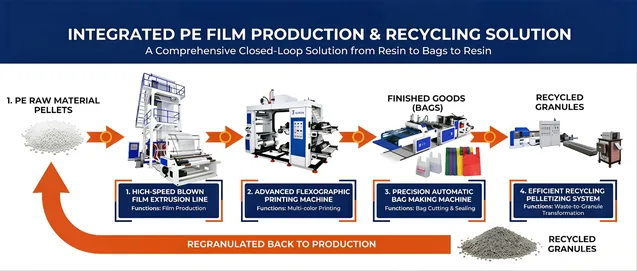
One Supplier vs Multiple: Why Line Integration Matters
One line from one supplier means one contract, one test and one service point.
Read article →Categories
Popular
Quick inquiry
Tell us your output target — our engineers reply within one business day.
Send Inquiry →Get your custom solution
Engineered around
your production
Tell our engineering team your output target and facility conditions. We design and build machinery to match — average response time 4 hours.
Send Your Inquiry →