What Corona Treatment Does
Polyethylene (PE), oriented polypropylene (OPP), and polypropylene (PP) films inherently possess low surface energy. In the context of flexible packaging and printing, this natural characteristic presents a significant challenge. Because of this low surface energy, standard inks and adhesives struggle to bond properly to the untreated substrate, often resulting in poor print quality, ink rub-off, or adhesive failure. Corona treatment addresses this fundamental issue by altering the molecular structure at the surface of these films. This process effectively raises their surface energy to a level where inks and adhesives can achieve a reliable, consistent bond across the entire web.
Dyne Levels for Printing
To ensure proper ink adhesion and maintain high print quality, printing processes commonly target a specific surface energy range of 38–42 dynes/cm. Achieving this target is essential for the ink to wet out properly on the film surface. However, exact requirements can vary depending on the specific chemistry of the ink or adhesive being used, so it is always necessary to confirm with the ink supplier before finalizing your process parameters. Furthermore, achieving the initial target is only the first step. Treated film can lose surface energy over time due to factors like storage conditions, temperature fluctuations, and the natural migration of additives within the polymer. Because of this gradual decay, re-treatment before converting is sometimes needed to restore the required dyne level and ensure downstream processes are not compromised.
Where the Treater Sits
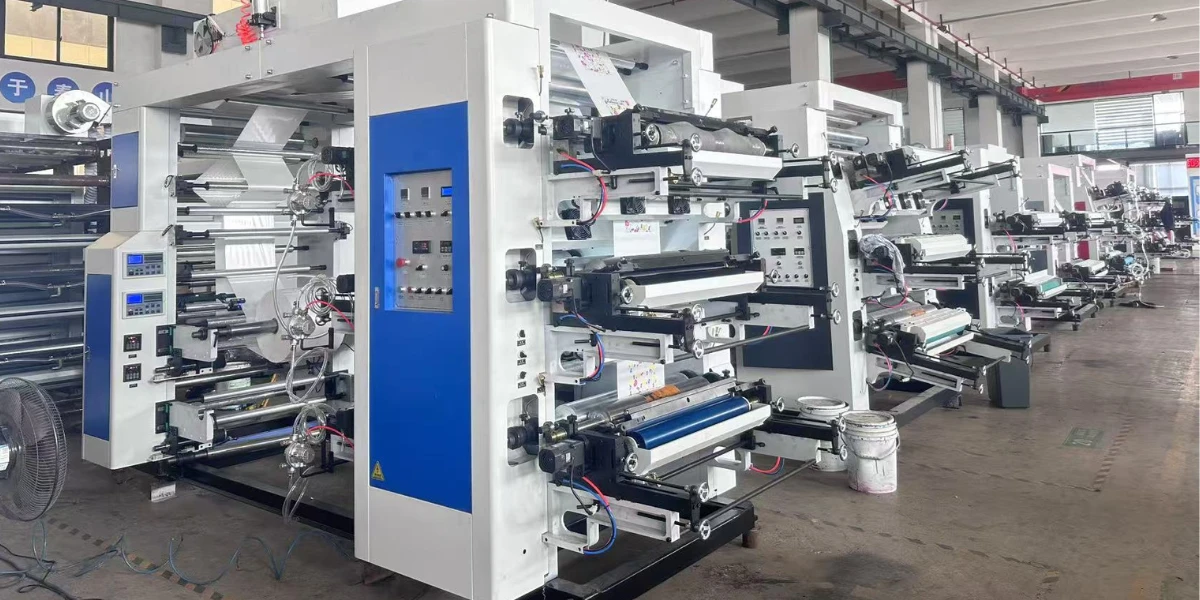
The physical placement of the corona treater depends entirely on the specific production setup and the type of machinery being utilized. In a standard printing press environment, corona treatment is typically applied between the unwind station and the first color station. This strategic placement ensures that the film surface is freshly treated immediately before the ink is applied, minimizing the effects of surface energy decay. Alternatively, for extrusion and inline processing setups, the treatment is applied directly on the film line before winding. This approach treats the film immediately after it is extruded and cooled, preparing it for subsequent converting or printing operations at a later stage.
Matching the Treater to Your Line
Selecting the correct power output, electrode configuration, and coverage area for your specific application is critical for effective and uniform treatment. The required treatment intensity depends on multiple variables, including the specific film resin, web width, and line speed. Since detailed specifications regarding these exact operational parameters and machinery configurations are not provided in our standard guidelines, please confirm with our engineers to match the treater to your line. Our technical team can evaluate your specific requirements to ensure the equipment delivers the precise dyne levels needed for your production.
| Process Type | Treatment Location |
|---|---|
| Printing Press | Between unwind and the first color station |
| Film Extrusion | On the film line before winding |
Frequently asked questions
Why do PE, OPP, and PP films require corona treatment before printing?
These films have low surface energy, and inks and adhesives need a minimum dyne level to bond properly to the substrate.
What is the common target dyne level for printing?
Printing commonly targets 38–42 dynes/cm, though you should confirm the exact level with the ink supplier.
Where is the corona treater typically installed on a printing press?
It is applied between the unwind station and the first color station.
Why might treated film need re-treatment before converting?
Treated film can lose surface energy over time, making re-treatment sometimes necessary to restore the required dyne level.
Get your custom solution
Talk to our
engineering team
Send your material, sizes and output target — our engineers reply within 4 hours on business days.
Send Your Inquiry →